
Many women in the process of trying to get pregnant may be told to have an HSG as part of their fertility check-up. This test is typically suggested by doctors while diagnosing causes of an obstetric issue during pregnancy or for planning the right way of Female Infertility Treatment in Ahmedabad and other cities. Although the name sounds complicated, it is a simple procedure that usually takes a short time. Knowing the test, its purpose, and what to expect can lessen fear and confusion before an appointment.
What is an HSG Test?
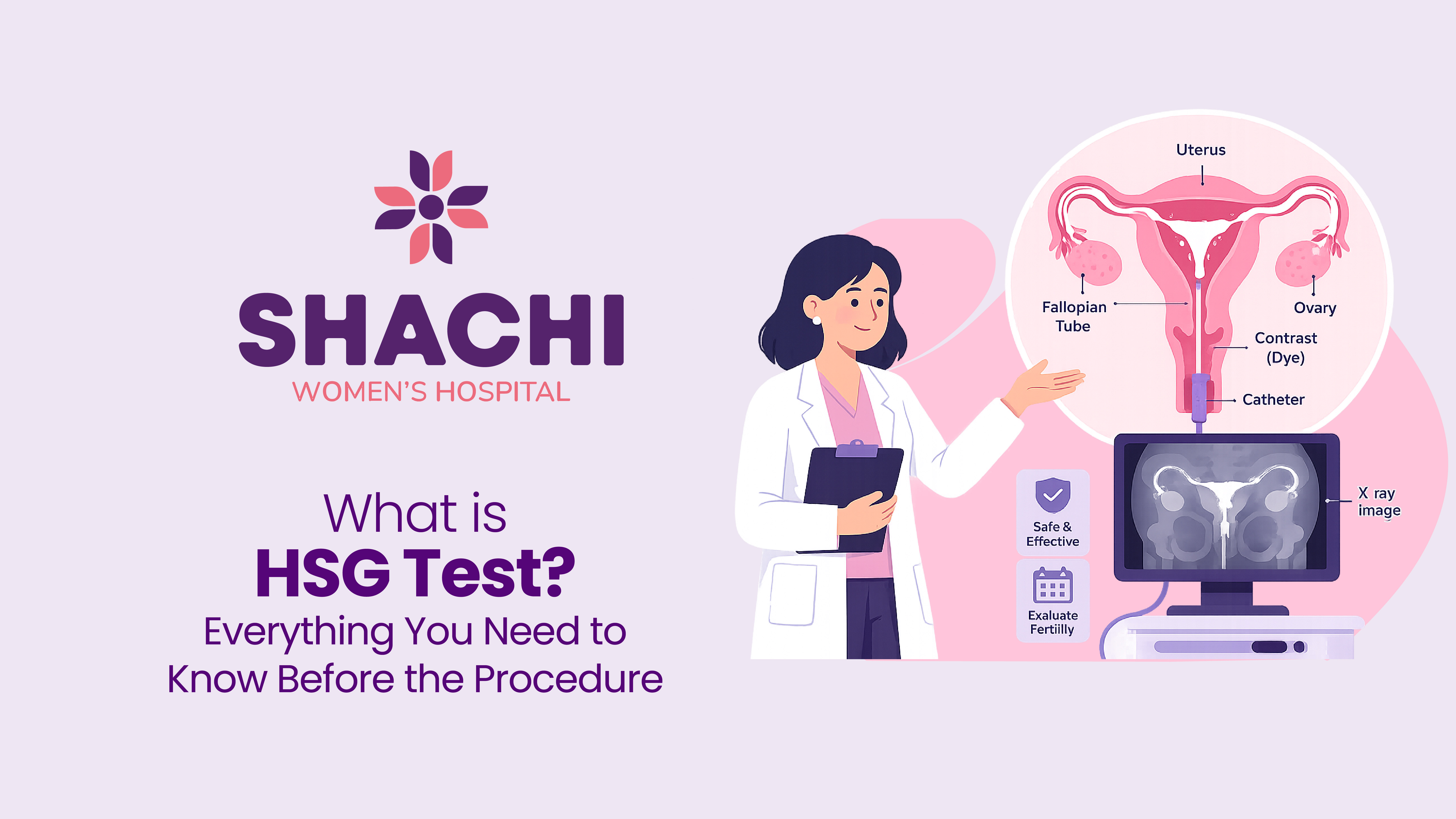
HSG stands for hysterosalpingography. It is an X-ray test for the uterus and fallopian tubes. This tests the patency of the fallopian tubes and assesses if the uterine shape looks normal.
The uterus, where the baby develops when a woman is pregnant, and the fallopian tubes, which carry the egg from the ovaries to the uterus. Blocked tubes would prevent sperm from getting to the egg, thus making pregnancy a challenge.
The HSG test is a typical part of fertility investigations. It can also help detect some conditions related to the reproductive system.
Why is an HSG Test Done?
Usually, doctors recommend this test to women who have been trying to conceive for quite some time and find no success. Its primary purpose is to help identify issues that could impact fertility.
The test has several common explanations:
On certain occasions, the test is performed following particular surgical procedures to ensure that the fallopian tubes are completely obstructed or opened up.
How to Prepare Before the Procedure
Preparation for the HSG test is usually simple. Doctors may provide specific instructions based on medical history.
Before the procedure, patients are often advised to:
Some women feel nervous before the test, but understanding the process can make the experience easier.
What Happens During the Test?
The procedure is normally performed in a radiology clinic or hospital.
Here is what generally happens:
Step 1: Positioning
The patient lies on an examination table, similar to a routine pelvic examination.
Step 2: Inserting the Speculum
A speculum is placed into the vagina so the cervix can be seen clearly.
Step 3: Dye Injection
A thin tube is inserted through the cervix, and the contrast dye is slowly injected into the uterus.
Step 4: X-ray Imaging
As the dye moves through the reproductive organs, X-ray images are taken to observe the flow.
Step 5: Completion
After the images are captured, the instruments are removed, and the patient can usually go home shortly afterwards.
Is the HSG Test Painful?
The experience differs from person to person. Some women feel mild cramping similar to period pain, while others may feel temporary discomfort during the dye injection.
The discomfort usually lasts only a few minutes. Relaxing the body and breathing slowly may help reduce tension during the procedure.
Severe pain is uncommon, but patients should inform the doctor if they experience strong discomfort.
Possible Side Effects After the Test
Most women recover quickly and return to normal activities on the same day.
Some mild side effects may occur, including:
These symptoms are generally temporary. However, medical attention should be sought if there is fever, severe pain, heavy bleeding, or foul-smelling discharge, as these may indicate infection.
Are There Any Risks?
The HSG test is considered safe for most women, but like any medical procedure, it carries small risks.
Possible risks include:
Doctors usually review medical history carefully before recommending the procedure.
Can an HSG Test Improve Fertility?
Some women conceive a few months after the test, interestingly. The dye sometimes clears small blockages in the fallopian tubes, experts say.
The HSG test is basically a diagnostic test and not an infertility treatment.
The test provides key information that helps doctors decide on the next course of treatment; it is usually performed for women undergoing infertility treatment evaluation in Ahmedabad.
Final Thoughts
An HSG test is a common and useful procedure used to examine the uterus and fallopian tubes. It plays an important role in identifying possible fertility problems and guiding further medical decisions. You can visit Shachi Women’s Hospital for the test, or you can also call 9090118080.
Although the procedure may sound intimidating at first, it is usually quick and manageable for most women. Knowing what to expect before, during, and after the test can make the experience less stressful and easier.